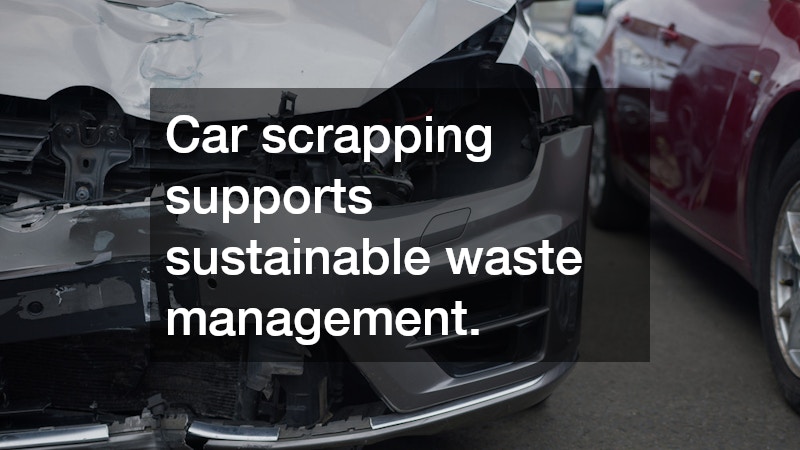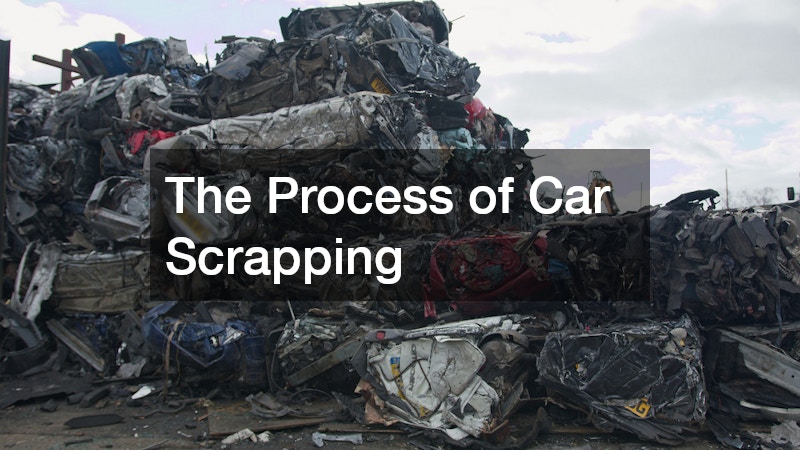
Car scrapping is crucial for the automotive industry, involving dismantling vehicles that are no longer roadworthy for environmental sustainability, recycling materials, and preventing illegal activities. Properly managed, it minimizes environmental footprints, supports economic activity, and creates jobs. Understanding car scrapping contributes to conservation and sustainability efforts.
What is Car Scrapping and Why is it Important?
Definition of Car Scrapping
Car scrapping, or vehicle recycling, involves dismantling end-of-life vehicles to recycle components and materials. The process includes evaluating the condition, extracting parts, and shredding structures to recover metals and plastics, conserving raw materials and reducing the environmental impact.
Environmental Benefits
Car scrapping reduces pollution by decreasing raw material extraction, preserving habitats, and using less energy for recycling metals compared to production from virgin ore, thus reducing greenhouse emissions. Additionally, it contributes to lower air and water pollution levels, significantly benefiting local ecosystems.
Economic Impact
Car scrapping generates jobs and revenue, with employment opportunities in scrapyards and processing plants. It reduces repair costs and supports exports of recycled materials. Car owners can also earn by scrapping vehicles. The sector’s growth also stimulates downstream industries, fostering overall economic development.
The Role in Recycling
Car scrapping supports sustainable waste management, recycling up to 80% of a vehicle’s weight, reducing landfill use, and supporting the circular economy by reusing resources. This process contributes significantly to limiting resource depletion and extending the lifecycle of materials.
Legal Regulations
Regulations ensure car scrapping adheres to environmental and public health standards, managing hazardous waste and maintaining license validity. Strict compliance with legal frameworks guarantees public safety and environmental integrity.
The Car Scrapping Process
Initial Assessment
This evaluates a vehicle’s condition for scrap value and identifies salvageable components for efficient dismantling. With precise evaluation, maximal resource recovery is achieved, ensuring optimal economic and environmental benefits.
Removal of Hazardous Materials
Facilities ensure safe disposal or recycling of hazardous materials like oil and batteries to prevent contamination, sustaining the environment. Thorough handling of these substances reduces the risk of pollution incidents during the scrapping process.
Dismantling and Salvaging
Dismantling extracts reusable parts, reducing demand for new components, with parts cleaned and tested for resale.
Shredding and Recycling
The car body is shredded to separate recycling materials, with metals extracted for reuse, reducing energy use and emissions.
Final Disposal
Non-recyclable waste is disposed of at authorised sites, reducing landfill contributions and ensuring compliance with regulations.
Preparing a Car for Scrapping
Legal Documentation
Proper legal documents, like the vehicle’s title, are required for scrapping to ensure lawful transactions with certified scrap yards.
Removing Personal Belongings
Thoroughly inspect the vehicle to remove personal items, complying with yard requirements.
Draining Fluids and Removing Parts
Professionally drain fluids and consider removing parts like tyres for better scrapyard payouts.
Choosing a Certified Scrapyard
Select a certified scrapyard for compliance with legal and environmental standards, ensuring safe handling and recycling.
Evaluating Scrap Value
Assess the car’s scrap value, considering weight, make, year, and market conditions for fair compensation.
Common Misconceptions About Car Scrapping
Myth: Only Fully Damaged Cars Are Scrapped
Cars are scrapped for various reasons, including high repair costs, with scrapyards utilising parts from minor damage efficiently.
Myth: Car Scrapping is Environmentally Harmful
Responsible scrapping uses technology to mminimisefootprints and maximise recovery, conserving resources.
Myth: Scraping Yields Low Financial Return
Scrap value is significant, and knowing it helps negotiate offers based on components and current market conditions.
Myth: All Scrap Yards Offer the Same Value
Yards vary in valuation due to costs and market access, so seek multiple quotes for fair prices.
Myth: Only Old Cars are Scrapped
Newer cars are scrapped for reasons like market dynamics or outdated technology, with valuable parts due to scarcity.
Choosing the Right Scrap Yard
Evaluating Reputation
Assess the scrap yard’s reputation for compliance and fair practices through reviews and recommendations.
Understanding Pricing and Payment
Clarify the yard’s pricing and payment policies to avoid surprises.
Verifying Environmental and Safety Standards
Choose a yard adhering to regulations for proper waste management and risk minimisation
Additional Services
Look for services like towing and appraisal to streamline the scrapping process.
Customer Reviews
Reviews offer insights into service quality, aiding in an informed decision for a satisfying scrapping experience.
Car scrapping is vital for economic, environmental, and personal aspects, supporting sustainability while offering financial incentives.